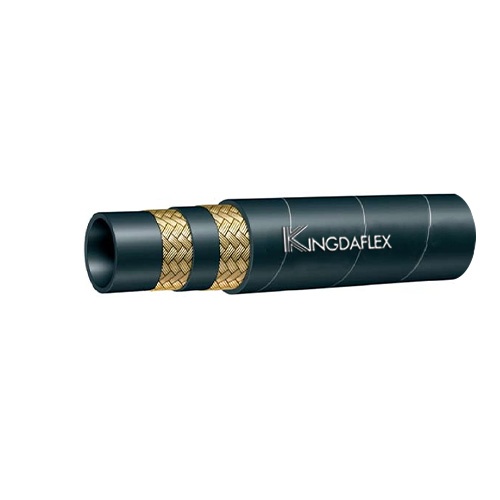
Hydraulic hoses used in construction equipment must withstand pressures of 3,000–6,000 psi, repeated bending cycles, temperatures from -40°C to 100°C, and severe abrasion from jobsite conditions. A suitable hose combines reinforced structure, fluid compatibility, flexible bending performance, and compliance with standards such as SAE J517. A high-quality hydraulic hose can reduce unexpected equipment downtime by improving resistance against pressure pulses, mechanical wear, and environmental damage.
Construction equipment relies on hydraulic systems to control lifting, digging, steering, and movement functions. Excavators, wheel loaders, cranes, and concrete pumps often operate under continuous pressure changes, with hydraulic circuits reaching more than 5,000 psi in heavy-duty applications. A hydraulic hose must transfer fluid safely while maintaining strength during thousands of operating cycles.
A hydraulic hose for construction machinery is designed as a pressure component that must handle movement, vibration, heat, and external impact at the same time.
The first factor that determines hose suitability is pressure rating. Hydraulic systems do not maintain a constant pressure level during operation. When an excavator arm stops suddenly or a loader lifts a heavy load, short pressure spikes can occur. For this reason, manufacturers usually rate hoses with a safety margin between working pressure and burst pressure.
| Hose Type | Reinforcement Structure | Typical Working Pressure |
|---|---|---|
| SAE 100R1 | Single steel wire braid | Around 1,000–3,000 psi |
| SAE 100R2 | Two steel wire braids | Around 2,750–6,000 psi |
| SAE 100R12 | Four spiral wire layers | Around 4,000 psi or higher |
| SAE 100R15 | Multiple spiral wire layers | Around 6,000 psi or higher |
The reinforcement structure directly affects how a hose handles pressure cycles. Braided hoses provide good flexibility for general hydraulic lines, while spiral-wire hoses are commonly used in equipment that experiences frequent pressure changes. Construction machines produced after 2020 have increasingly used higher-pressure hydraulic systems to improve operating efficiency, increasing demand for stronger hose assemblies.
Pressure resistance alone does not determine performance because construction equipment also creates strong mechanical stress. Hydraulic hoses installed around booms, arms, and attachments are repeatedly bent during operation. A hose that is installed below its recommended minimum bend radius may experience reinforcement damage and reduced service life.
SAE hydraulic hose testing standards commonly include impulse tests requiring hoses to survive hundreds of thousands of pressure cycles without leakage.
Flexibility is especially important for mobile construction machines. An excavator can complete hundreds of movements per hour, causing hoses to bend, twist, and vibrate continuously. A hose with suitable flexibility allows movement without excessive stress on fittings and reinforcement layers.
The outer cover material protects the hose from external conditions. Construction sites contain sharp metal edges, rocks, dust, oil contamination, and concrete particles that can damage standard rubber surfaces. Abrasion-resistant covers made from synthetic rubber compounds are often selected for machines operating in mining, road construction, and demolition environments.
| Environmental Condition | Required Hose Feature |
|---|---|
| Gravel and metal contact | Abrasion-resistant outer cover |
| Outdoor temperature changes | Wide temperature operating range |
| Continuous movement | High flexibility and fatigue resistance |
| Hydraulic oil exposure | Chemical-resistant inner tube |
Temperature performance also affects hose reliability. Hydraulic oil temperature can rise during long operating periods, especially when machines work under heavy loads. Most construction hydraulic hoses are designed for approximately -40°C to +100°C operation, while some specialized products can tolerate higher temperatures.
Low-temperature flexibility prevents cracking during cold weather operation, while heat resistance slows material aging during high-temperature use. A hose that loses flexibility or strength because of temperature changes may develop cracks, leaks, or reinforcement separation.
Hydraulic fluid compatibility is another requirement when selecting construction hoses. Most equipment uses petroleum-based hydraulic oils, but some systems use biodegradable fluids or fire-resistant fluids. The inner tube material must remain stable after long-term contact with the selected fluid.
For example, unsuitable materials may swell, become harder, or lose sealing ability. These changes can affect flow performance and increase the chance of leakage around fittings. Professional hose manufacturers select inner tube compounds according to fluid type and operating temperature range.
Fittings and connection methods also influence the performance of a hydraulic hose assembly. Even when the hose itself has a high pressure rating, incorrect fittings or poor crimping can cause leakage. Construction equipment manufacturers usually require hose assemblies to match specific fitting designs and installation procedures.
A complete hydraulic hose assembly includes the hose, fittings, crimp dimensions, and installation quality, not only the rubber tube itself.
Modern hydraulic hose suppliers provide different solutions for construction applications. Companies such as Kingdaflex produce hydraulic hose products designed for industrial and mobile equipment applications, including hoses with different pressure ratings, reinforcement structures, and temperature specifications.
The selection process normally considers several machine factors:
| Selection Item | Example Requirement |
|---|---|
| Equipment type | Excavator, crane, loader, pump truck |
| Working pressure | 3,000–6,000 psi range |
| Hose size | Matching hydraulic flow requirements |
| Installation space | Required bend radius |
| Operating environment | Indoor, outdoor, mining, construction site |
Maintenance practices also affect hose lifespan. Regular inspections can identify surface cracks, oil leakage, damaged covers, or loose fittings before a major failure occurs. Many equipment operators inspect hydraulic lines during routine machine checks because hose replacement is usually less expensive than repairing damaged hydraulic components.
According to maintenance data from heavy equipment applications, hydraulic hose problems represent a significant portion of hydraulic system service issues, with some fleets reporting approximately 20% of hydraulic-related failures linked to hose damage or connection problems. Proper selection and inspection can extend replacement intervals and improve machine availability.
The development of newer construction equipment has increased hydraulic system requirements. Compact excavators, autonomous construction machines, and high-efficiency loaders introduced during the 2020s often use faster hydraulic responses and higher operating pressures. These systems require hoses with better impulse resistance, improved flexibility, and stronger protection against external wear.
A suitable hydraulic hose for construction equipment must match the machine’s pressure level, movement pattern, temperature range, and working environment. Hoses designed for ordinary industrial applications may not perform well when exposed to constant vibration, pressure pulses, and outdoor conditions found on construction sites. Selecting the correct specification helps maintain stable hydraulic performance and reduces maintenance interruptions during equipment operation.